







Your processes. Your controls. Connected workflows.
Connect your management-system requirements with workflows that reflect your operation. AMGQS helps define configurable QMS applications around your records, responsibilities, approvals, and reporting needs.
How we support your operation
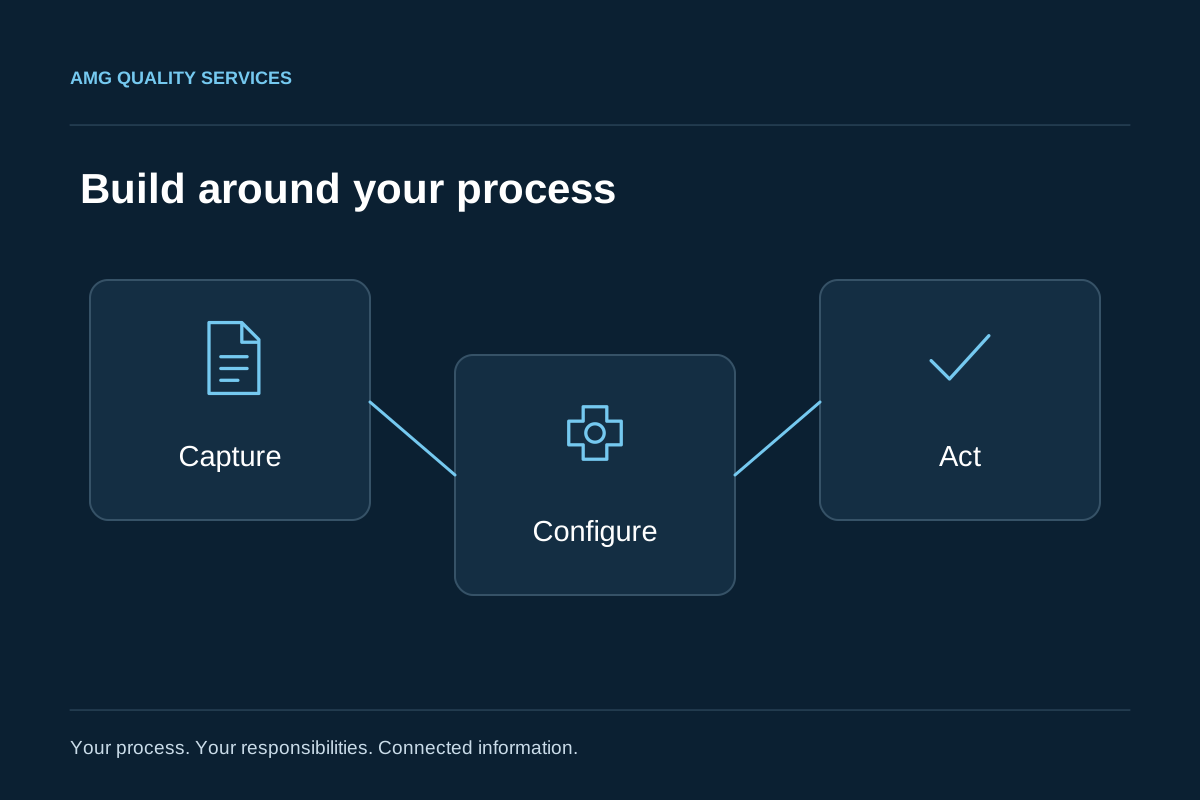
Requirements → Evidence → ActionControlled information
Create document repositories with version control and approvals. Connect access and information handling with the requirements of your organization.
Audits and inspections
Build templates, schedule and assign assessments, and capture findings, evidence, and corrective actions.
Nonconformance and CAPA
Track issues from identification through resolution, with action workflows and reporting.
Supplier quality
Evaluate performance, monitor requirements, and support communication with suppliers.
Training and competence
Schedule training and certification activities, retain competence records, and configure reminders.
Change control
Manage process, product, and system changes through requests, review, approvals, documentation, and communication.
Risk management
Identify and assess risks, document mitigation measures, and monitor effectiveness.
Calibration and maintenance
Schedule equipment activities, retain records, and configure alerts for upcoming requirements.
Customer complaints and feedback
Record feedback, coordinate responses, and analyze improvement opportunities.
Analytics and reporting
Configure dashboards, KPIs, and reports that help your team identify trends and review performance.
Compliance tracking
Organize requirements, evidence, and reporting activities around the obligations applicable to your scope.
Business-system integration
Evaluate connections with ERP, CRM, and other systems for agreed data sharing and synchronization. Integration availability, access permissions, and technical scope are confirmed during planning.
Application examples
Explore production planning and shop visibility, production-order entry with TAKT time and an operations calendar, multiple inspection reports, and supplier first-article reporting using the linked examples below.
Start with your requirements
Define the processes, users, records, and interfaces involved. Review the application as requirements evolve and confirm each change before implementation.
Explore working examples
- Sample: Production Planning- Shop View
- Sample: Adding Production Order- Including TAKT Time and full calendar for operations schedule
- Sample: Create Multiple Inspection Reports
- Sample: Supplier First Article Report
- Terms of Service